Featured
Table of Contents
- – Comprehending the Eating Disorder-OCD Connection
- – Consuming Disorders in Athletes and Dancers: A...
- – OCD Therapy: Beyond Contamination Worries
- – EMDR Intensives for Trauma-Based Eating Disorders
- – Alexa Shank
- – Anxiety Treatment as Structure for Recuperation
- – Finding Specialized Therapy for Long-term Recu...
The junction of consuming disorders and obsessive-compulsive problem represents among one of the most challenging discussions in psychological wellness treatment. These problems often share underlying patterns of rigid thinking, anxiety-driven behaviors, and attempts to control uncertainty through ceremonial activities. For professional athletes, professional dancers, and individuals with nit-picker tendencies, these problems can end up being specifically entrenched, woven right into identification and performance in ways that make acknowledgment and treatment more complicated.
Comprehending the Eating Disorder-OCD Connection
Consuming disorders and OCD share substantial neurobiological and mental overlap. Both problems involve invasive thoughts, compulsive behaviors, and heightened anxiety when rituals are interrupted. Study suggests that around 40% of individuals with eating conditions likewise satisfy standards for OCD, recommending these problems may stand for various expressions of comparable underlying susceptabilities.
The partnership between these problems commonly manifests as a vicious cycle. Compulsive thoughts concerning food, body form, or weight drive uncontrollable consuming actions, workout rituals, or restrictive patterns. These behaviors momentarily minimize stress and anxiety, strengthening the cycle and making it gradually harder to break. Gradually, what began as efforts to handle stress and anxiety or attain particular goals advances right into a stiff system that controls every day life.
Eating problem therapy that resolves these obsessive-compulsive attributes calls for specialized understanding. Generic techniques to disordered consuming may miss the anxiety-driven devices preserving habits, while typical OCD therapy may overlook the body image and identification components main to eating problems. Integrated therapy approaches identify this complexity and address both the obsessive-compulsive patterns and the particular attributes of disordered eating.
Professionals specializing in this junction, such as those at Live Mindfully Psychiatric therapy, recognize that effective therapy should attend to several layers concurrently. This consists of collaborating with the cognitive rigidity quality of both conditions, the underlying stress and anxiety driving actions, and the identity components that make change feel threatening.
Consuming Disorders in Athletes and Dancers: A Distinct Difficulty
Professional athletes and professional dancers deal with specific susceptability to eating disorders, with frequency prices dramatically more than in the general populace. The focus on body make-up, weight demands, and visual perfects in these fields creates an atmosphere where disordered consuming can create under the guise of dedication or professionalism. What starts as "" tidy eating"" or "" ideal fueling"" can gradually evolve right into limiting eating problems that compromise both wellness and performance.
The sports and dance areas often normalize actions that would certainly be recognized as disordered in other contexts. Extensive training sessions, rigid dish timing, obsessive body monitoring, and exercise compulsion may be considered as signs of dedication rather than alerting signs. This normalization makes it harder for athletes and dancers to recognize when their relationship with food and exercise has actually gone across right into pathological territory.
Perfectionism, very valued in sports and creative quests, serves as both a risk element and keeping mechanism for consuming problems. The very same qualities that drive excellence-- technique, interest to detail, high standards-- can sustain obsessive patterns around food and body. Athletes and professional dancers commonly are afraid that addressing their eating disorder will endanger their performance, not identifying that the condition itself is restricting their possibility with physical depletion and emotional fixation.
Specialized eating disorder therapy for athletes and professional dancers have to browse these one-of-a-kind characteristics. Therapy approaches that honor the individual's commitment to their sport or art while addressing the hazardous patterns verify most effective. Specialists dealing with these populaces understand sport-specific stress and can assist clients create much healthier relationships with food and body without needing them to desert their sports or imaginative searches.
OCD Therapy: Beyond Contamination Worries
While numerous associate OCD with contamination fears and hand washing, the condition materializes in diverse means. Invasive thoughts about harm, sex-related web content, religious concerns, or symmetry can be equally distressing. For people with eating disorders, OCD commonly entails fascinations about food, contamination concerns pertaining to eating, or obsessions around workout and body monitoring.
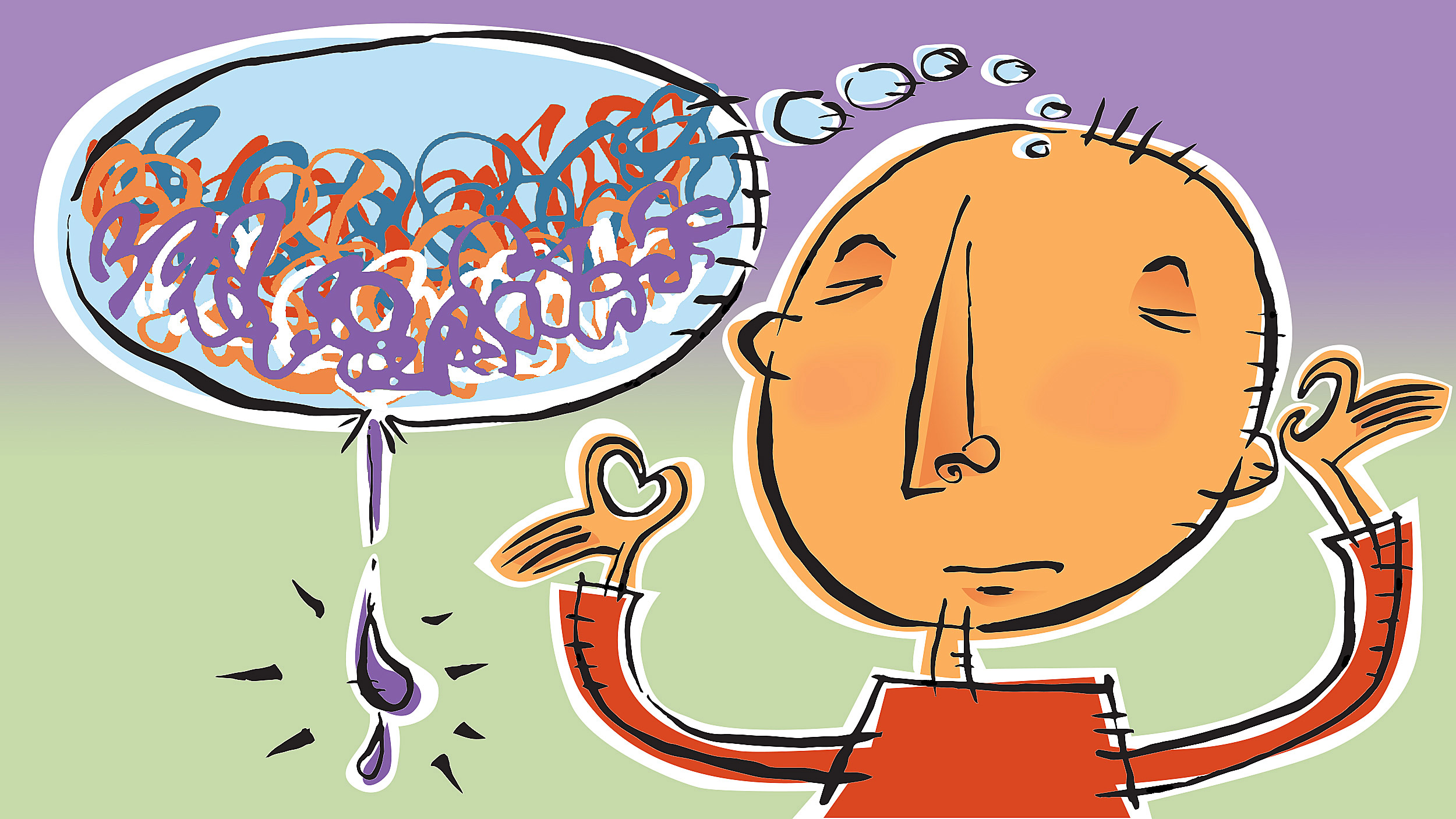
Reliable OCD treatment generally involves exposure and response avoidance (ERP), a therapy approach that helps people deal with been afraid circumstances while standing up to compulsive feedbacks. For consuming condition presentations with OCD features, this might include direct exposures to feared foods, lowering body checking actions, or enduring unpredictability around consuming decisions. The process is gradual and individualized, respecting each person's preparedness while testing evasion patterns that keep anxiety.
AnxietyCognitive-behavioral therapy for OCD helps individuals identify the thought patterns that fuel obsessions. Finding out to recognize compulsive thoughts without engaging with them with routines confirms main to recovery. This metacognitive understanding-- the capacity to observe thoughts without immediately believing or acting on them-- stands for a crucial skill that benefits both OCD and eating disorder healing.
Many individuals with OCD and consuming disorders additionally deal with perfectionism, watching anything much less than complete control as failure. This all-or-nothing reasoning includes treatment itself, with individuals often believing they need to be "" excellent"" at recuperation. Treatment has to resolve these perfectionistic standards, assisting customers create self-compassion and tolerance for the messy, nonlinear nature of healing.
EMDR Intensives for Trauma-Based Eating Disorders
Significantly, medical professionals acknowledge that many eating disorders have roots in terrible experiences. Whether developing trauma, specific traumatic events, or the buildup of negative experiences, unsettled trauma often underlies the need for control that eating conditions offer. EMDR intensives offer a focused method to refining these terrible foundations, attending to the deeper chauffeurs of disordered eating.

EMDR intensives press therapy into extensive sessions over days instead of weeks, enabling more extensive processing. For eating disorder therapy, this intensive style can speed up development by dealing with multiple traumatic memories or experiences in a focused timeframe. The approach proves specifically beneficial for individuals who have actually finished traditional eating disorder treatment however proceed fighting with underlying stress and anxiety or trauma-related triggers.
Alexa Shank
The link between injury and eating disorders manifests in numerous methods. For some, disordered eating represents an attempt to reclaim control after experiences of powerlessness. For others, body dissatisfaction links to messages received during developing years or specific distressing experiences. EMDR assists recycle these memories and associated beliefs, decreasing their emotional charge and permitting even more flexible self-perception.
Combining EMDR intensives with recurring eating disorder treatment and dietary support produces a thorough treatment strategy. While EMDR addresses underlying trauma, concurrent support assists individuals establish new coping mechanisms and preserve recovery-oriented habits. This integrated method recognizes that eating problems offer functions in individuals's lives, and lasting modification calls for both processing what drove the disorder and structure alternate methods of handling distress.
Anxiety Treatment as Structure for Recuperation
Anxiety underlies both consuming problems and OCD, making anxiety management abilities important for healing. Finding out to tolerate uncertainty, manage physical anxiety sensations, and respond to challenging emotions without resorting to problem actions stands for core job in treatment. Stress and anxiety treatment gives these fundamental skills while aiding individuals understand their distinct anxiety patterns.
Mindfulness-based techniques verify particularly beneficial for consuming condition and OCD therapy. These techniques aid individuals observe thoughts and experiences without instantly responding, producing area in between triggers and actions. For someone with an eating disorder, mindfulness could involve seeing anxiousness around food choices without immediately limiting. For OCD presentations, it could imply observing invasive thoughts without taking part in compulsive actions.
Somatic techniques to anxiousness therapy address the body-based components frequently forgot in cognitive treatments. Many people with eating disorders and OCD experience enhanced interoceptive recognition-- sensitivity to interior physical sensations-- which can drive anxiety and uncontrollable habits. Finding out to regulate the nerve system through breath job, modern leisure, or other somatic methods supplies concrete tools for taking care of stress and anxiety in real-time.
Finding Specialized Therapy for Long-term Recuperation
Recuperation from consuming problems and OCD needs specific therapy that addresses the distinct features of these conditions. Common techniques might supply temporary alleviation yet usually miss the preserving mechanisms that drive regression. Therapists with certain training in consuming problems, OCD, and injury recognize these nuances and can give targeted interventions that attend to root causes as opposed to simply signs.
When looking for treatment, take into consideration therapists who incorporate numerous evidence-based techniques as opposed to depending on a solitary method. Eating problems and OCD rarely react to one-size-fits-all therapy, and flexibility in strategy allows therapists to adapt interventions to individual needs. In addition, cooperation with other companies-- such as dietitians, physicians, and psychiatrists-- often confirms necessary for thorough treatment dealing with all facets of healing.
[:specialty]For athletes, dancers, and perfectionists battling with consuming problems or OCD, discovering a specialist that comprehends these certain contexts makes considerable difference. Therapy that honors your worths and objectives while resolving damaging patterns creates the structure for sustainable recuperation that improves rather than limits your life and quests.

Table of Contents
- – Comprehending the Eating Disorder-OCD Connection
- – Consuming Disorders in Athletes and Dancers: A...
- – OCD Therapy: Beyond Contamination Worries
- – EMDR Intensives for Trauma-Based Eating Disorders
- – Alexa Shank
- – Anxiety Treatment as Structure for Recuperation
- – Finding Specialized Therapy for Long-term Recu...
Latest Posts
Domestic Violence Survivors
Physical Identity through Body-Positive Eating Disorders
Long-Term Success in Anxiety Treatment: Creating Sustainable Habits in NYC Services
More
Latest Posts
Domestic Violence Survivors
Physical Identity through Body-Positive Eating Disorders
Long-Term Success in Anxiety Treatment: Creating Sustainable Habits in NYC Services