Featured
Table of Contents
- – The Vital Value of Language in Treatment
- – Individual Therapy in Several Languages
- – Pairs Therapy Across Cultural and Linguistic S...
- – Multicultural Counseling: Recognizing Varied P...
- – Andreea Bianca Seulean
- – Cognitive Behavioral Treatment in Multilingual...
- – Dialectical Behavior Therapy for Psychological...
- – Inner Family Members Solutions and Somatic The...
- – Accessing Culturally Responsive Mental Healthcare
In an increasingly varied society, the ability to get mental healthcare in one's indigenous language stands for more than convenience-- it's a fundamental facet of reliable therapy. Heart n Mind in Canada exemplifies the growing recognition that multilingual psychotherapy services are necessary for offering culturally responsive, obtainable psychological health assistance to individuals, couples, and family members navigating life's obstacles throughout cultural and linguistic borders.
The Vital Value of Language in Treatment
Waterloo, OntarioLanguage shapes not only exactly how we connect but exactly how we believe, really feel, and process feelings. When customers take part in treatment in their second or third language, they may battle to access the nuanced emotional vocabulary needed to define intricate inner experiences. This etymological obstacle can unintentionally restrict the deepness of restorative work, particularly when refining trauma, exploring family-of-origin dynamics, or verbalizing refined relational patterns.
Multilingual psychotherapy recognizes that the language in which we initially learned to call our feelings commonly remains the most straight pathway to authentic emotional expression. For many immigrants, refugees, and multilingual people, the capacity to alternative between languages during treatment sessions-- or to perform entire sessions in their recommended language-- develops a degree of emotional security and authenticity that monolingual solutions can not reproduce.
Individual CounsellingResearch consistently demonstrates that customers dealing with specialists that speak their native language report more powerful therapeutic partnerships, better treatment adherence, and much more beneficial end results. This advantage prolongs past basic translation to incorporate social expressions, expressions, and concepts that might not have straight equivalents throughout languages.
Individual Therapy in Several Languages

Private counseling develops the keystone of mental health and wellness therapy, providing a personal room for personal expedition, sign management, and development. When performed in a client's native language, individual therapy can access deeper layers of experience that could continue to be covert behind the safety obstacle of a 2nd language.
Multilingual therapists bring social capability that extends beyond language efficiency. They comprehend just how different cultures conceive psychological health and wellness, reveal distress, and approach help-seeking habits. This cultural-linguistic experience enables specialists to identify culturally details discussions of anxiousness, depression, and other mental health and wellness problems that might be misinterpreted through a Western-only lens.
For people browsing acculturation stress and anxiety, identification development throughout societies, or the facility emotions bordering immigration experiences, multilingual specific therapy uses a special room to integrate multiple cultural identifications. Clients can explore how their heritage culture and embraced culture connect, occasionally causing conflict and other times developing rich possibilities for growth and expanded perspectives.
Pairs Therapy Across Cultural and Linguistic Splits
Couples treatment handles additional intricacy when companions come from various social backgrounds or when the language spoken in the house varies from the dominant language of their taken on country. Multilingual couples treatment addresses these distinct difficulties while helping partners strengthen their connection, improve communication, and navigate conflicts successfully.
Lots of multicultural couples locate that substantial aspects of their connection characteristics are rooted in social distinctions around household involvement, interaction styles, gender functions, and parenting strategies. A multilingual specialist who recognizes these cultural contexts can aid pairs recognize when problems stem from cultural differences versus individual conflicts, creating room for common understanding as opposed to judgment.
The capability to code-switch during couples sessions-- permitting each partner to reveal themselves in their most comfortable language when required-- can be transformative. This linguistic versatility ensures that both companions feel equally heard and understood, avoiding the power inequalities that can arise when one partner has to always connect in a non-native language.

Multicultural Counseling: Recognizing Varied Point Of Views
Andreea Bianca Seulean
After many years and different therapists, I am finally seeing positive progress with Anna. I am so thankful she was recommended to me.
Multicultural counseling stands for a therapeutic method that actively integrates customers' social identifications, worths, and worldviews right into treatment. This framework identifies that society exceptionally influences how individuals understand themselves, connect to others, and conceptualize psychological health and wellness and wellness.
Efficient modern therapy requires therapists to examine their very own social prejudices and assumptions while developing real inquisitiveness concerning customers' cultural experiences. For multilingual therapists, this social humbleness combines with linguistic ability to develop truly inclusive therapeutic atmospheres where clients do not need to clarify or equate their social experiences with a Western structure.
This method verifies especially beneficial for individuals navigating multiple cultural identities, experiencing discrimination or marginalization, or battling with the emotional impact of leaving their home countries. Modern therapy acknowledges the real-world contexts that form mental health, including systemic barriers, migration anxiety, and the recurring negotiation of identification across social contexts.
Cognitive Behavioral Treatment in Multilingual Contexts
Cognitive Behavioral Therapy (CBT) concentrates on determining and modifying believed patterns and behaviors that add to emotional distress. When provided in a customer's native language, CBT becomes more specific and effective because the cognitive restructuring work depends greatly on recognizing refined thought distortions and generating alternate viewpoints.
Multilingual CBT experts understand that automated ideas-- the quick, frequently unconscious cognitions that influence feelings-- typically occur in one's first language. By carrying out CBT in that language, specialists can better determine and test these ideas at their source instead of overcoming the filter of translation.
Cultural adaptations of CBT for varied populations have demonstrated the value of aligning cognitive restructuring deal with cultural worths and ideas. What comprises a "" valuable thought"" or an "" adaptive habits"" may vary substantially across societies, requiring specialists to adjust conventional CBT protocols while maintaining the restorative strategy's empirical structure.
Dialectical Behavior Therapy for Psychological Policy
Dialectical Actions Treatment (DBT) shows concrete abilities for handling extreme emotions, enduring distress, enhancing partnerships, and preserving mindfulness. The organized nature of DBT skills educating makes it especially amenable to multilingual delivery, as the details techniques can be educated and practiced in any type of language.
The philosophical foundation of DBT-- which attracts from Zen Buddhist principles of mindfulness and approval-- might reverberate differently throughout societies. Multilingual therapists can draw connections between DBT concepts and concepts from clients' cultural or religious backgrounds, making the skills really feel more easily accessible and directly relevant.
For individuals from collectivist cultures, DBT's social effectiveness module can be adapted to deal with the specific difficulties of maintaining social values around household obligation while additionally establishing suitable borders. The capacity to discuss these nuances in one's native language permits for much more advanced expedition of exactly how to stabilize competing social assumptions.
Inner Family Members Solutions and Somatic Therapy
Interior Family Members Equipment (IFS) therapy conceptualizes the mind as composed of several "" components"" with different duties, emotions, and perspectives. This healing strategy can be specifically powerful in multilingual contexts, as customers frequently locate that different components of themselves are associated with various languages or social identifications.
As an example, a client might discover that their "" critical component"" talks in their parents' indigenous language, while their "" certain component"" utilizes the language of their adopted country. Multilingual IFS therapy permits customers to dialogue with these parts in whatever language feels most genuine, promoting deeper access to internal experiences and more effective inner communication.
Somatic therapy emphasizes the body's function in keeping and refining emotional experiences. Given that body experiences transcend language, somatic methods can be especially valuable in multilingual therapy setups. However, the language used to define and discover physical experiences still matters substantially-- customers usually have a lot more nuanced vocabulary for body experiences in their native language.
The assimilation of somatic recognition with multilingual capability permits therapists to help clients observe just how language-switching influences their physical state, how cultural experiences are kept in the body, and how reconnecting with one's indigenous language can facilitate access to emotional material that has actually been somatically kept.
Accessing Culturally Responsive Mental Healthcare
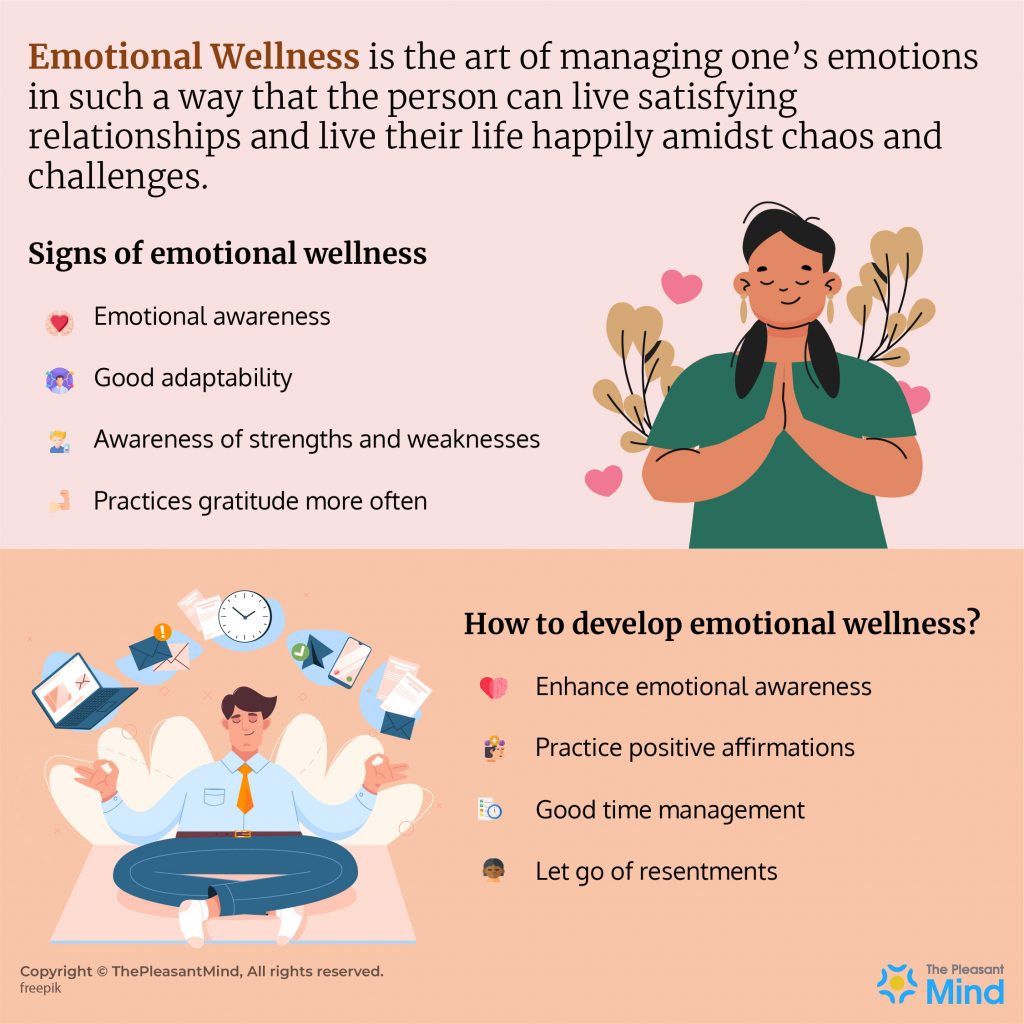
The availability of multilingual psychiatric therapy services represents a substantial improvement in mental health and wellness ease of access and equity. Practices offering solutions in numerous languages acknowledge that reliable psychological health treatment have to be both linguistically and culturally responsive to offer progressively diverse communities.
When looking for multilingual therapy services, think about not only language ability however likewise therapists' cultural capability, training in evidence-based techniques, and experience collaborating with customers navigating cross-cultural experiences. The combination of linguistic availability, cultural understanding, and scientific expertise develops the foundation for transformative healing job that honors all elements of your identification and experience.

Table of Contents
- – The Vital Value of Language in Treatment
- – Individual Therapy in Several Languages
- – Pairs Therapy Across Cultural and Linguistic S...
- – Multicultural Counseling: Recognizing Varied P...
- – Andreea Bianca Seulean
- – Cognitive Behavioral Treatment in Multilingual...
- – Dialectical Behavior Therapy for Psychological...
- – Inner Family Members Solutions and Somatic The...
- – Accessing Culturally Responsive Mental Healthcare
Latest Posts
Major Depression Alongside Anxiety Disorders: Treating Comorbid Disorders with Integrated Care
The Benefits of Group Therapy for Anxiety Management Combined with Dialectical Behavior Therapy (DBT Optimized)
Understanding OCD affecting Young Kids
More
Latest Posts
Major Depression Alongside Anxiety Disorders: Treating Comorbid Disorders with Integrated Care
The Benefits of Group Therapy for Anxiety Management Combined with Dialectical Behavior Therapy (DBT Optimized)
Understanding OCD affecting Young Kids